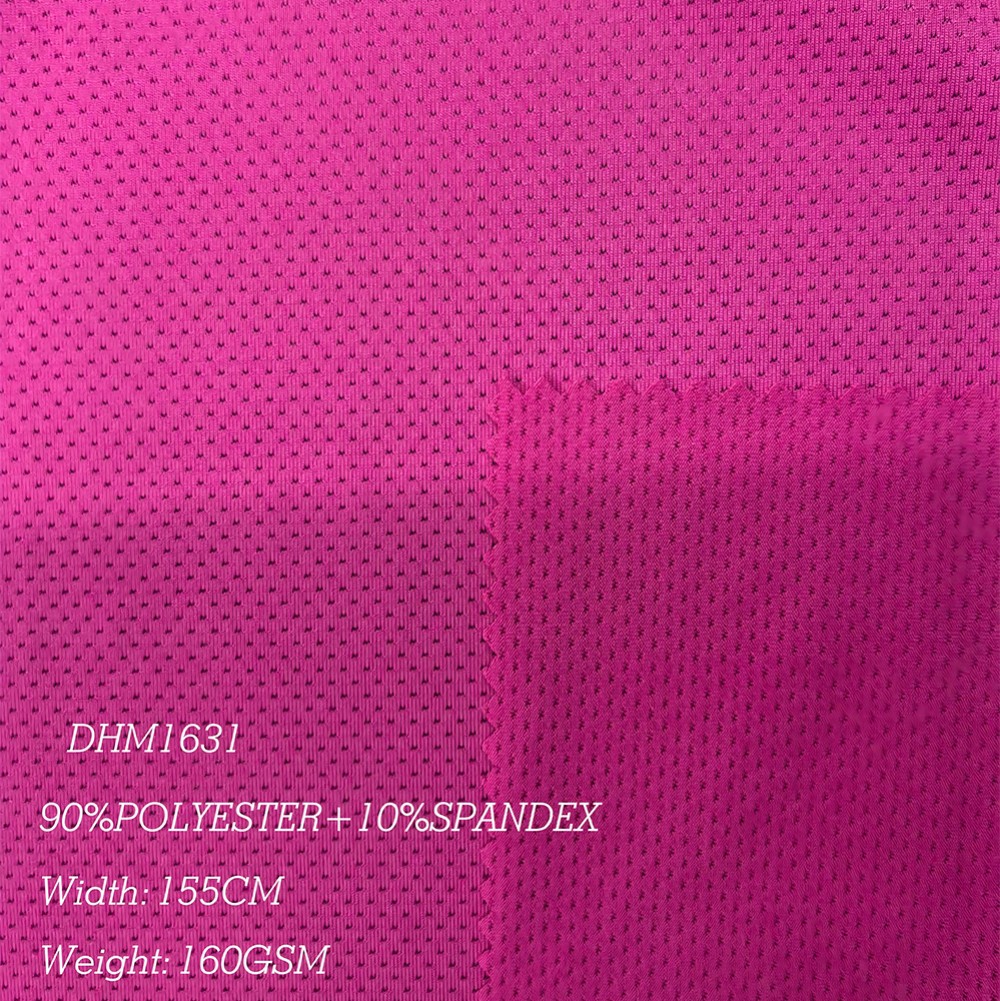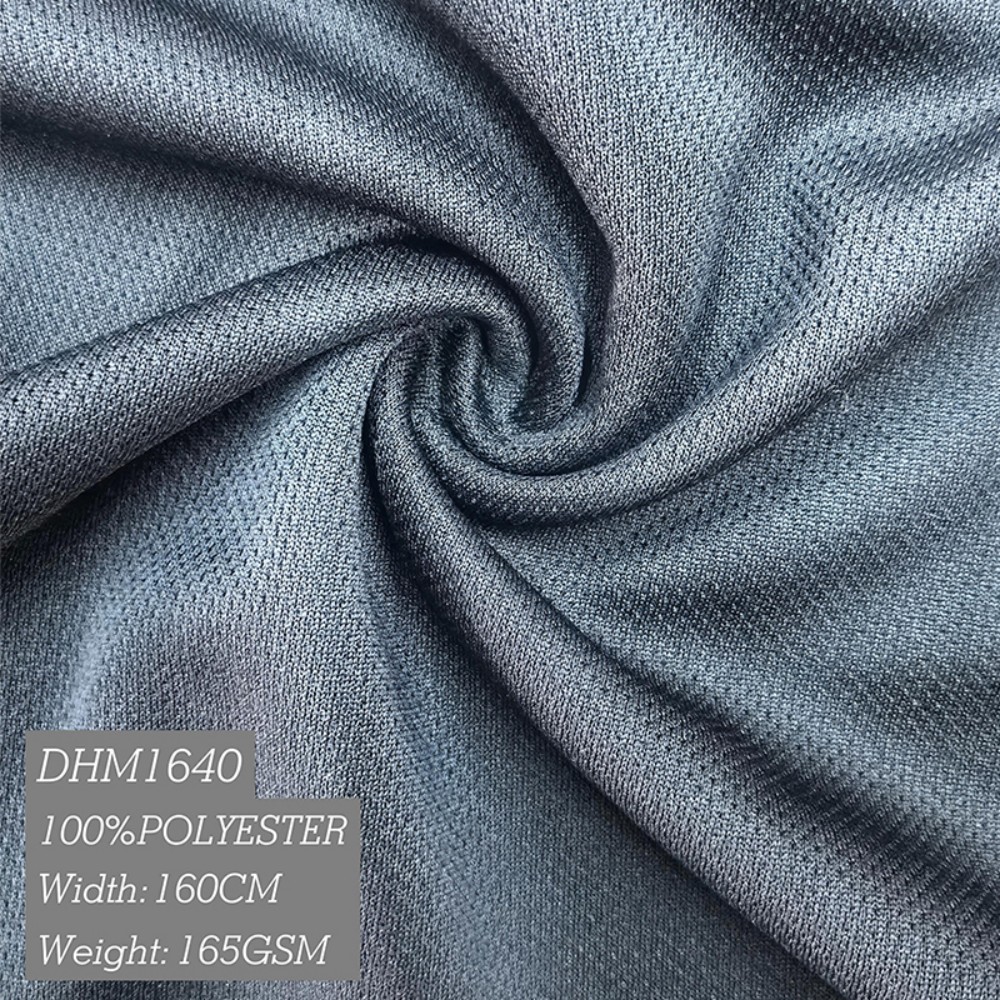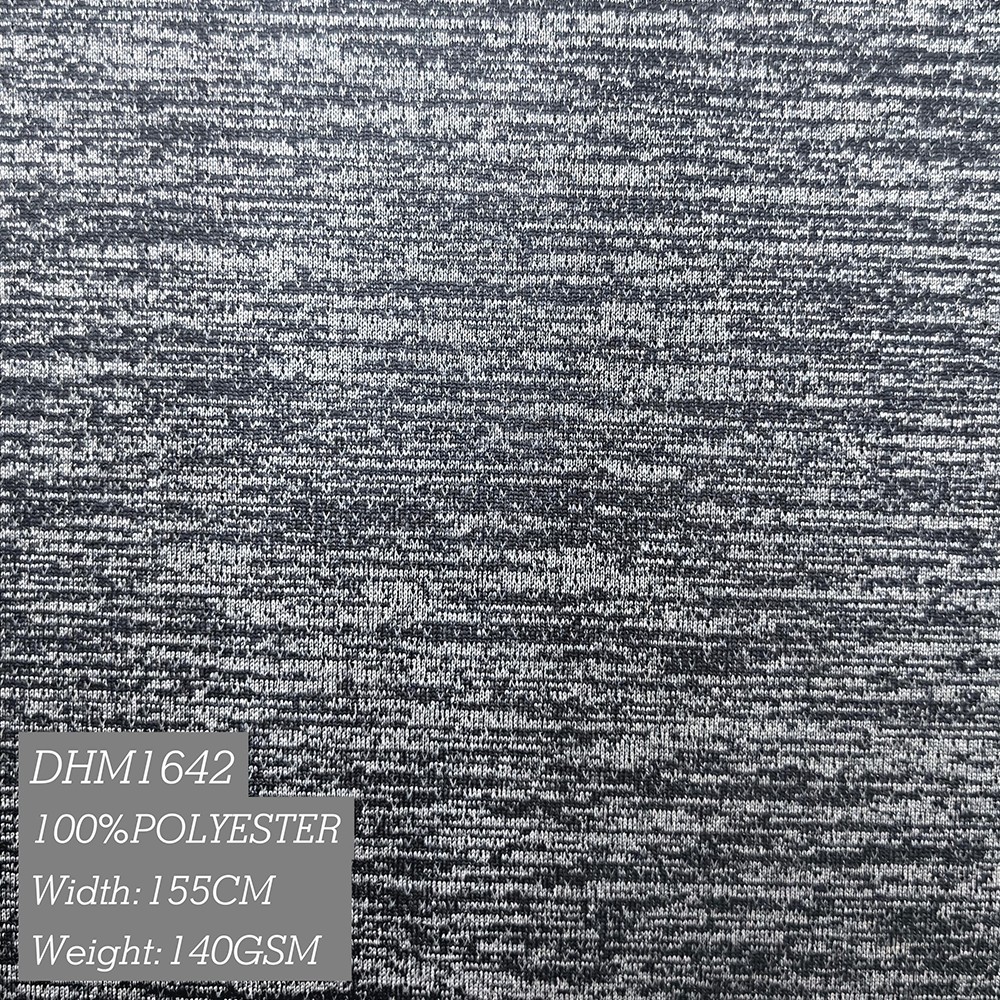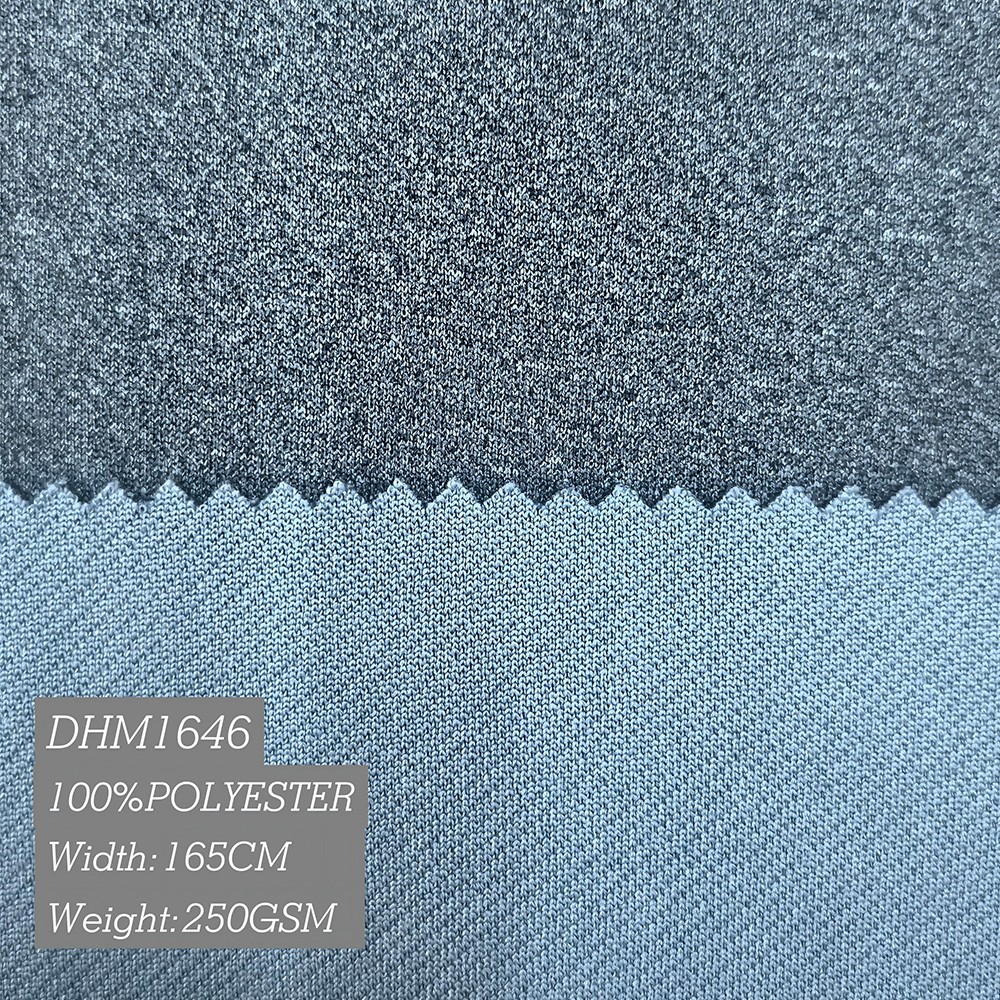

Water-Based Suede
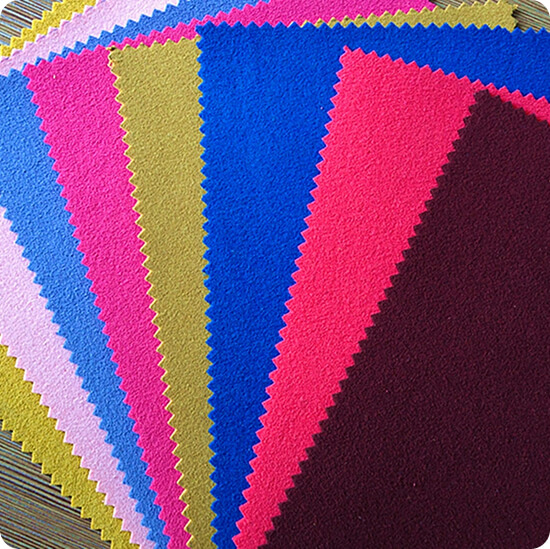
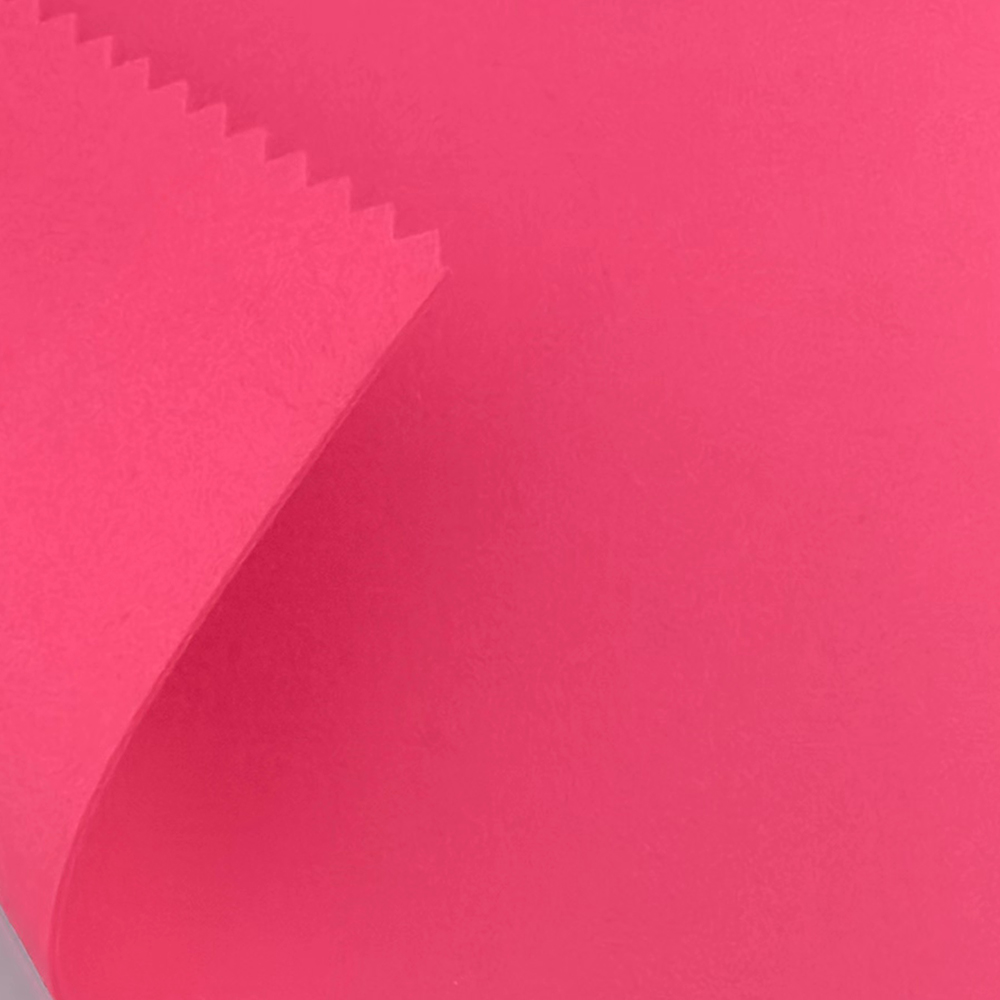
Water-Based Suede Synthetic Leather has emerged as a leading sustainable material for footwear manufacturing, utilizing water-based polyurethane resin as the primary binding system to replace conventional solvent-based polyurethane processing. Unlike traditional suede-like synthetic leathers that rely on DMF-based formulations, this material is processed entirely without organic solvents, making it fundamentally VOC-free with zero DMF residue-3. The manufacturing process begins with a polyester knitted fabric base that undergoes waterborne PU impregnation, and sanding to produce a velvety napped finish that closely mimics the tactile character of natural suede but with significantly enhanced technical performance.
Share:
PRODUCT OVERVIEW
Water-Based Suede Synthetic Leather has emerged as a leading sustainable material for footwear manufacturing, utilizing water-based polyurethane resin as the primary binding system to replace conventional solvent-based polyurethane processing. Unlike traditional suede-like synthetic leathers that rely on DMF-based formulations, this material is processed entirely without organic solvents, making it fundamentally VOC-free with zero DMF residue.The manufacturing process begins with a polyester knitted fabric base that undergoes waterborne PU impregnation, and sanding to produce a velvety napped finish that closely mimics the tactile character of natural suede but with significantly enhanced technical performance.
From a footwear performance perspective, waterborne suede offers the best of both worlds: the luxury hand-feel and aesthetic warmth of suede, combined with mechanical durability exceeding that of split leather. The microporous structure created by the waterborne PU matrix allows exceptional moisture vapor transmission while blocking liquid penetration-2. Footwear brands across athletic, casual, and formal categories have adopted this material for uppers, linings, and overlays, particularly valuing its uniform thickness, high breathability and the ability to achieve complex dye shades with excellent color fastness.
Crucially, waterborne suede meets the full spectrum of modern footwear regulatory requirements. The solvent-free process eliminates hazardous air pollutants from the production chain and results in a finished material that is OEKO-TEX Standard 100 attainable (Class II for direct skin contact)-3, REACH-compliant, and free from restricted substances including PFAS and heavy metals-. Brands using waterborne suede in their footwear collections gain not only a performance-optimized material but also a verifiable sustainability narrative that aligns with circular economy principles, as the polyester-based composition allows for potential mechanical recycling at end-of-life.
TECHNICAL PARAMETERS
|
Parameter |
Value / Specification |
|
Base Material |
polyester knitted fabric |
|
Coating/Polymer |
Waterborne polyurethane (solvent-free, DMF-free) |
|
Thickness Range |
0.65 mm to 1.4 mm (±0.1 mm tolerance) |
|
Weight (GSM) |
250 g/m² to 550 g/m² (varies by footwear type) |
|
Width |
137 cm (±5cm tolerance) |
|
Martindale Abrasion (Dry) |
> 12,400 cycles (ISO 12947-2) |
|
Bally Flex Endurance (Room Temp) |
> 50,000 cycles without cracking |
|
Tensile Strength |
≥ 50N (meets SATRA TM43 standards) |
|
Tear Strength |
Meets footwear industry minimums for uppers and linings |
|
Colour Fastness to Rubbing |
Grade 3-4 (dry & wet) |
|
VOC / Odour |
Non-flammable, no DMF, virtually zero emissions |
|
Regulatory Compliance |
OEKO-TEX Standard 100 (Class II) attainable; REACH compliant; PFAS-free; no heavy metals |
KEY ADVANTAGES FOR FOOTWEAR MANUFACTURING
01
Dmf-Free & Solvent‑Free Manufacturing
Waterborne suede eliminates the use of dimethylformamide and other harmful volatile organic compounds throughout production-3. The water-based resin system leaves no toxic solvent residue in the finished material, ensuring safety for both factory workers and end consumers.
02
Superior breathability with moisture protection
The microporous waterborne PU matrix allows water vapour to escape through thousands of micro-air channels while preventing liquid water from penetrating the material-2. This dual-performance characteristic helps feet stay cool and dry through extended wear, a critical requirement for sports and safety footwear.
03
Exceptional abrasion resistance
Laboratory testing shows waterborne suede consistently exceeds 12,400 Martindale cycles (dry) ,making waterborne suede the more durable choice for high-wear areas such as shoe counters and toe panels.
04
High flex endurance at room temperature
Waterborne suede withstands more than 50,000 flex cycles at room temperature without cracking or delamination. This reliability is essential for boots, outdoor shoes, and safety footwear that experience repeated bending during walking.
05
Uniform mechanical properties
Unlike natural leather which varies in thickness and strength from hide to hide, waterborne suede is manufactured to consistent thickness (±0.1 mm tolerance), tensile strength, and tear strength across entire rolls-. This uniformity improves production yield and reduces waste during cutting and assembly.
06
Plush, uniform texture and colour fastness
The sanding process creates a consistent velvet‑like nap across the entire surface, free from the natural grain variations found in genuine suede. Coupled with Grade 3-4 colour fastness to light and rubbing, waterborne suede retains its aesthetic quality through years of use.
07
OEKO‑TEX Standard 100 attainable
The material can be certified to OEKO‑TEX Standard 100 Class II (direct skin contact), confirming the absence of hundreds of harmful substances including formaldehyde, azo dyes, phthalates, and extractable heavy metals-. Certification covers not just the suede itself but the entire footwear assembly when all components meet the standard.
08
REACH and global regulatory compliance
Waterborne suede production complies with REACH Annex XVII and XIV restrictions. Many manufacturers further adopt ZDHC Level 3 compliance for their chemical inputs, ensuring alignment with global environmental standards-.
09
Circular economy ready
As a 100% polyester microfiber base with waterborne PU coating, the core polymer structure can be mechanically recycled at end‑of‑life, supporting closed‑loop footwear programs. Leading producers now offer post‑industrial recycled content versions and all‑water manufacturing lines that reduce carbon footprint from the source.
PRODUCT APPLICATIONS IN FOOTWEAR
Athletic & Sports Shoes
Casual & Lifestyle Sneakers
Children’s Shoes & Sandals
Shoe Linings
Footwear Accent Panels & Overlays
Vegan Footwear Collections
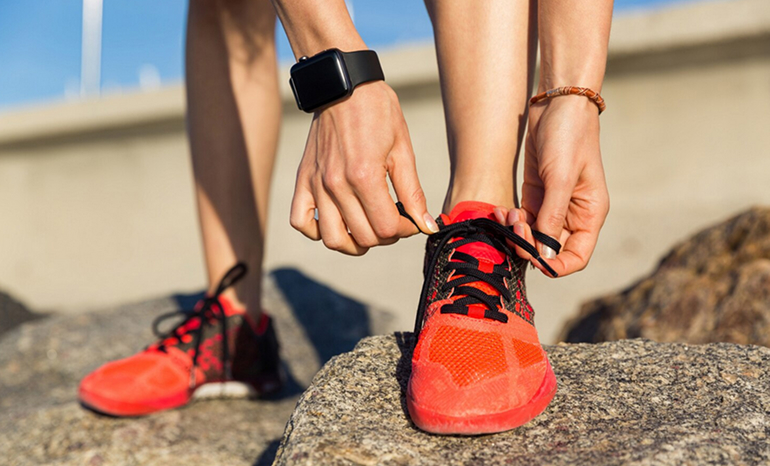
Athletic And Sports Shoes
Used as lightweight, breathable uppers for running shoes, cross‑training footwear, and basketball sneakers. Waterborne suede provides the soft interior feel and exterior durability required for high‑mileage sports use. Major brands including ASICS and Anta have incorporated waterborne suede into performance footwear collections.
Get A Free Quote
Casual & Lifestyle Sneakers
The retro suede aesthetic combined with modern sustainability appeals strongly to lifestyle footwear brands.
Get A Free Quote
Children’s Shoes & Sandals
The absence of toxic chemicals, combined with exceptional softness and flexibility, makes waterborne suede an ideal choice for children’s footwear. Paired with breathable mesh panels, it is used in sandals, casual sneakers, and school shoes where safety and comfort are non‑negotiable.
Get A Free Quote
Shoe Linings
The soft hand‑feel and moisture‑wicking properties of thin‑gauge waterborne suede make it a premium lining choice for boots, dress shoes, and casual footwear. Lining suede sits directly against the foot (often sockless), requiring no chemical irritants and offering breathability that synthetic mesh linings cannot match.
Get A Free Quote
Footwear accent panels and overlays
Designers use waterborne suede for quarter panels, heel counters, tongue accents, and toe cap overlays where a contrasting texture elevates the visual language of the shoe. The material can be hot‑pressed, stitched, or RF‑welded to other footwear components.
Get A Free Quote
Vegan Footwear Collections
As a 100% animal‑free material that meets the performance standards of traditional construction, waterborne suede is the natural choice for vegan footwear lines. PETA‑approved and cruelty‑free certifications are readily available.
Get A Free QuoteFREQUENTLY ASKED QUESTIONS
Dual industries are promoted simultaneously, weaving a green future
1
Is waterborne suede truly free from DMF and other harmful solvents?
Yes. Waterborne suede is processed entirely without organic solvents. Traditional solvent‑based PU synthetic leathers require DMF to dissolve and carry the polyurethane resin, which then must be evaporated—leaving potential residual DMF. In waterborne processing, water serves as the sole carrier and dispersant. The finished material contains no detectable DMF, no VOC emissions, and no hazardous air pollutants from the processing chain.
2
Is waterborne suede suitable for direct skin contact as a lining?
Yes. Waterborne suede can be certified to OEKO‑TEX Standard 100 Class II, which is the classification for materials that have direct and prolonged contact with human skin (including linings, underwear, and socks). The waterborne process uses no restricted chemicals, heavy metals, or sensitizing dyes that would irritate the skin. Many brands specify waterborne suede for sock liners and barefoot sandal straps for precisely this reason.
3
What colours are available in waterborne suede for footwear?
Waterborne suede accepts a full range of industrial dyes across the entire colour spectrum. The material can be produced in any solid colour, from classic neutrals (black, beige, grey, brown, navy) to high‑saturation brights and pastels. Colour fastness to light is Grade 3-4 (ISO 105-B02), ensuring resistance to fading from UV exposure, and colour fastness to rubbing is similarly high, preventing dye transfer onto socks or feet.
4
Can waterborne suede be hot‑pressed, stitched, or bonded to other components?
Yes. Waterborne suede is designed for conventional footwear assembly processes. It can be stitched through standard garment‑grade needles (no special sewing modifications required), hot‑pressed for lasting and heel seat molding, and bonded using waterborne PU adhesives (the same chemistry) for seamless joining to soles, linings, and other uppers materials-. The material does not delaminate under heat or flex.
5
What are the minimum order quantities for waterborne suede for footwear production?
Stock colour and standard thickness grades are typically available from 300 linear meters per colour for sampling and small production runs. Custom thickness, width, or colour formulations may require minimum orders of 500–1,000 meters depending on the manufacturer. Lead time for custom production runs is 15–30 working days from raw material procurement.
6
Does waterborne suede cost more than traditional synthetic suede?
Waterborne suede is generally priced at a moderate premium over conventional solvent‑based synthetic suede due to the more sophisticated processing and higher‑cost waterborne resin systems. However, the performance benefits—superior breathability, higher abrasion resistance, and full regulatory compliance—often translate into reduced product returns, fewer manufacturing defects, and lower supply chain risk. Some manufacturers have also reduced overall resin usage by 30%–50% through optimized slurry formulas, narrowing the cost gap-3.
READY TO START A PROJECT?
Filling in your phone and email information will help us get in touch with you in a timely manner and solve your problem as soon as possible.
Get A Free Quote
RELATED PRODUCTS
As a core patented product independently developed by the company, water-based suede leather carries our dual pursuit of green technology and ultimate hand feel.